AI Tools Analysis
Best Alternative of Seedance 2.0 in 2026
March 23, 2026

Selina ZFocused on in-depth research in AI tools, AI video, and generative AI.
|
Tool
|
Strengths / Key Features
|
Weaknesses / Limitations
|
Best For
|
Notes
|
|
|
ByteDance ecosystem, cinematic AI continuity, large-scale camera motion, AI-driven audio-visual sync
|
Invite-only, high computational cost
|
Creators using TikTok/CapCut virality
|
Cutting-edge AI cinematic generation
|
|
|
High-fidelity multimodal video, strong temporal consistency, deep semantic understanding
|
Slower generation, limited distribution
|
Advanced creators, AI researchers, filmmakers
|
Research-grade realism & narrative
|
|
|
Enterprise narrative integration, Gemini AI, story-driven Shorts
|
Short clip limits, occasional physics errors
|
Brands, enterprise teams, story-focused campaigns
|
Paid plans with commercial rights
|
|
|
Motion-first, 5-second clip optimization, platform-native realism
|
Peak-time queue, less mature ecosystem
|
Social ads, motion-focused creators
|
Commercially ready short-form engine
|
|
|
Mature creative ecosystem, multi-shot continuity, integrated editing tools
|
Complex for beginners, pricing scales with usage
|
Filmmakers, agencies, studios
|
Professional-grade creative workflow
|
|
|
Lightweight, rapid iteration, social-ready short-form
|
Limited cinematic depth, short clips only
|
Indie creators, rapid content testing
|
Accessible, beginner-friendly
|
|
|
Open-source, fully customizable, API-friendly
|
Requires technical setup, variable fidelity
|
Developers, SaaS teams, technical creators
|
Open-production control, flexible workflows
|
|
Stable, reusable professional motion effects, online one-click usage, fast rendering
|
Limited cinematic / multi-shot depth, smaller effects library
|
YouTube/TikTok/Reels creators, mid-level editors, small teams
|
Focused on daily content creation & professional motion without AE
|
AI Video Creation in 2026:
2026 is not just another year—it’s a turning point for AI video. Across TikTok, Reels, and YouTube, AI tools are no longer experimental toys—they are production-ready, platform-optimized powerhouses reshaping the way creators work. What once took hours of editing, complex software, and skilled teams can now be achieved in minutes with just a few prompts: cinematic camera moves across vast scenes, smooth multi-shot continuity, and perfectly synced audio-visuals.
For creators, this is nothing short of revolutionary: faster iteration, higher-quality output, and real monetization opportunities, all while staying ahead on global platforms. Communities—from private Discord servers to active Reddit hubs—have become the nerve centers of AI video creation, where creators share prompts, swap workflows, and track the latest trends in real time. Those plugged into these networks don’t just keep up—they set the pace, define styles, and dominate audience attention.
In short, 2026 isn’t the year AI catches up—it’s the year AI takes the lead, and creators who adapt now will ride the first wave of a new era in content creation.
Why Seedance 2.0 Defines the 2026 AI Video Era
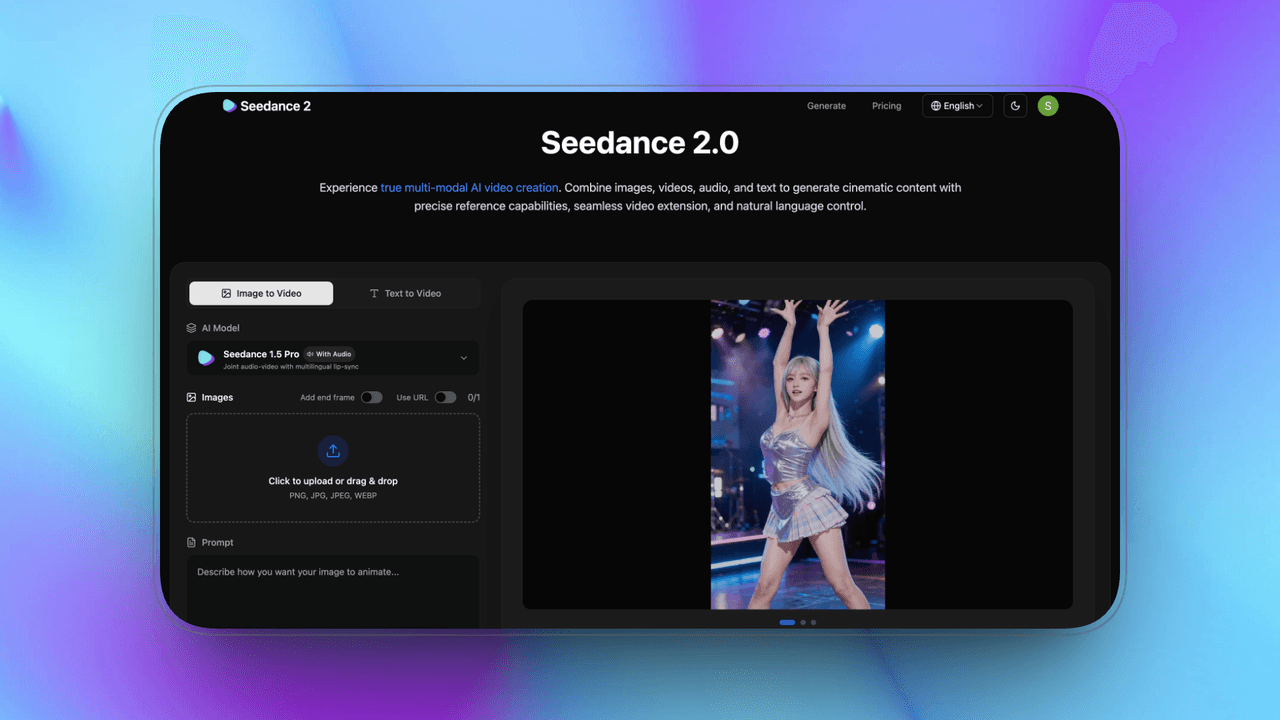
Just days ago, ByteDance released Seedance 2.0 — and the AI video space immediately shifted.
This isn’t a routine model upgrade. It’s a leap in cinematic AI video generation.
Seedance 2.0 delivers large-scale camera movement, multi-shot narrative continuity, native audio-visual sync, and realistic 3D spatial understanding — all from a single prompt. What once required Blender timelines, C4D scenes, layered editing, and post-production sound design can now happen inside one AI video generator.
But the real impact goes beyond features.
Seedance 2.0 is backed by the same ecosystem powering TikTok and CapCut. Creation, editing, and global distribution are no longer separate stages — they’re connected inside one vertically integrated machine.
For creators, this means acceleration.
For traditional workflows, it means compression.
Still, if you’re looking for the best Seedance 2.0 alternatives in 2026 — whether for flexibility, pricing, global access, or workflow control — there are strong contenders worth considering.
Let’s break them down.
Sora 2(OpenAI)
When OpenAI moves into a new category, it tends to redefine it.
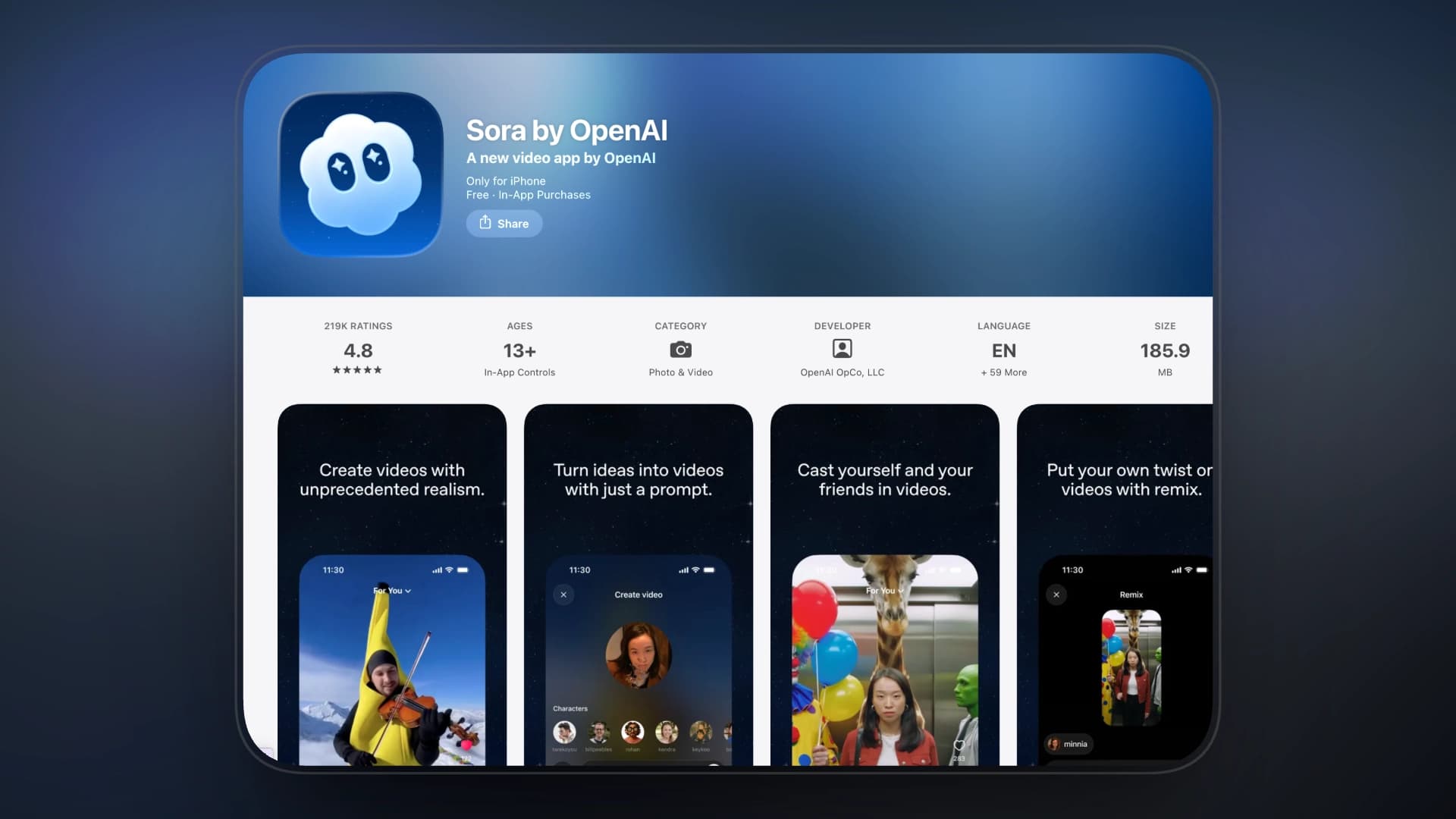
After reshaping language models with GPT, OpenAI brought the same foundation-model approach to AI video with Sora. Rather than generating isolated clips, Sora focuses on world modeling — producing physically coherent scenes, realistic motion, and strong spatial consistency from simple text prompts.
In 2026, Sora represents the research-driven frontier of AI video generation. If Seedance 2.0 feels like ecosystem acceleration, Sora feels like raw model intelligence scaling into cinema.
Key Features
-
High-fidelity multimodal video generation with strong spatial and scene logic
-
Exceptional temporal coherence across long sequences
-
Deep semantic prompt understanding that translates abstract concepts into cinematic motion
Pros
-
2026 benchmark for visual realism and motion quality
-
Production-grade temporal stability suitable for cinematic outputs
-
Strong narrative interpretation for experimental, artistic, or high-concept content
Cons
-
Slower generation speed with higher computational latency
-
Limited access (invite-only / restricted commercial availability in beta)
-
Less vertically integrated distribution compared to ecosystem-driven platforms like Seedance 2.0
Pricing
-
Free (Invite-only Beta)
-
Full access available via invitation
-
Each accepted user receives 4 additional invite codes
-
-
Paid plans: Not publicly announced
-
Expected to transition to subscription-based or usage-based API pricing post-beta
-
Best For
-
Advanced creators pushing cinematic AI video generation to its limits
-
Filmmakers and creative teams prioritizing realism, temporal continuity, and narrative depth
-
AI researchers or product teams prototyping next-generation multimodal systems
Not Ideal For
-
Teams needing immediate, unrestricted commercial deployment
-
High-volume production workflows requiring fast, low-latency output
-
Creators seeking tightly integrated creation-to-distribution ecosystems
Community & Discussion:
🔗 There’s a community Discord for Sora AI creators and prompt discussion: https://discord.gg/soraai(community‑run) Note: This server focuses on issues, prompt sharing, and technical help for advanced creators exploring Sora workflows.
Veo 3(Google)
As Google expands its generative AI stack beyond text and images, Veo represents its most serious move into cinematic AI video generation.
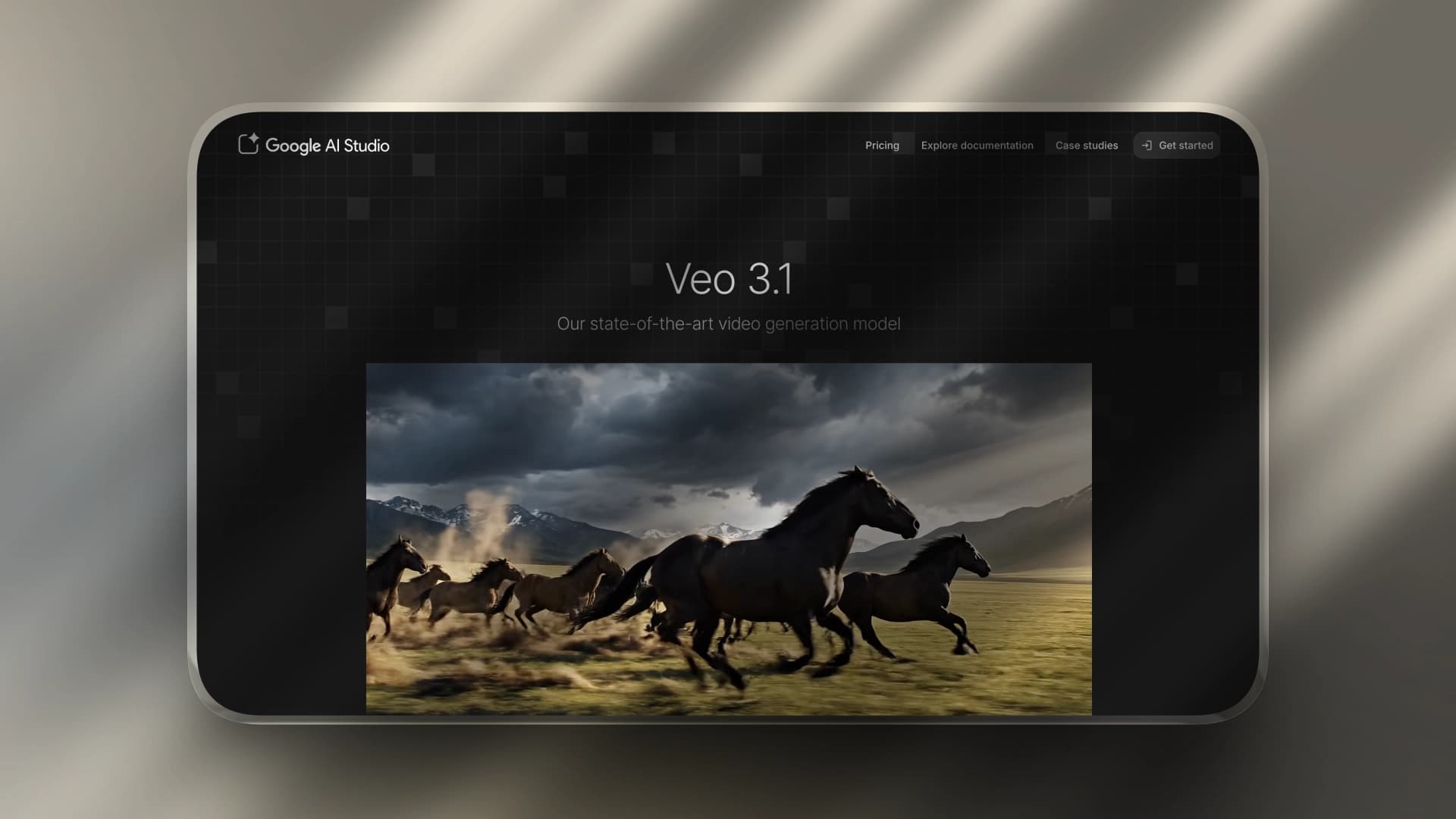
Developed within Google’s advanced AI ecosystem and closely integrated with Gemini models, Veo is positioned as a narrative-first, enterprise-ready AI video platform. Unlike lightweight creator tools, it emphasizes structured storytelling, physics-aware motion, and native audio-dialogue synthesis inside a unified workflow.
In the 2026 landscape, Veo stands out not as the fastest experimental model, but as a stability-focused, infrastructure-backed alternative — built for scalable commercial deployment rather than viral experimentation.
If Seedance 2.0 signals ecosystem acceleration, Veo signals enterprise-grade consolidation.
Key Features
-
High-resolution cinematic text-to-video generation
-
Native audio and dialogue synthesis (visual + sound in one pipeline)
-
Cinematic camera control with structured shot composition
-
Google Flow interface for guided creation
-
Deep integration with Gemini models for narrative understanding
Pros
-
True all-in-one AI video production (visuals, dialogue, and audio combined)
-
Strong scene and story consistency across generated clips
-
Enterprise-grade infrastructure and brand-safe positioning
-
Accessible entry via Google One AI Premium
Cons
-
Short clip duration limits long-form storytelling workflows
-
Occasional physics inconsistencies in complex motion scenes
-
Less ecosystem-level distribution integration compared to Seedance 2.0
Pricing
-
Creator Plan: $19.99/month (via Google One AI Premium)
-
Enterprise: Pay-per-second pricing (~$0.10/sec through Vertex AI)
Best For
-
Creators experimenting with story-driven or dialogue-based short videos
-
Teams are already embedded in the Google / Gemini ecosystem
-
Concept validation, ideation, and early-stage content prototyping
Not Ideal For
-
Motion-graphics-heavy content (kinetic typography, UI animations, callouts)
-
Precision-driven motion design workflows
-
Long, highly dynamic cinematic sequences requiring advanced physical realism
Community & Discussion:
🔗 Google AI / Veo discussions are often hosted via Google AI community platforms including official chat groups and product forums. You can access general gatherings via Google AI Discord link from official Runway site navigation: https://runwayml.com/linkinbio (Choose “Discord” in the footer navigation under community). Note: Google’s community tends to be via official forums rather than open Discord for Veo specifically.
AutoAE – AutoAE
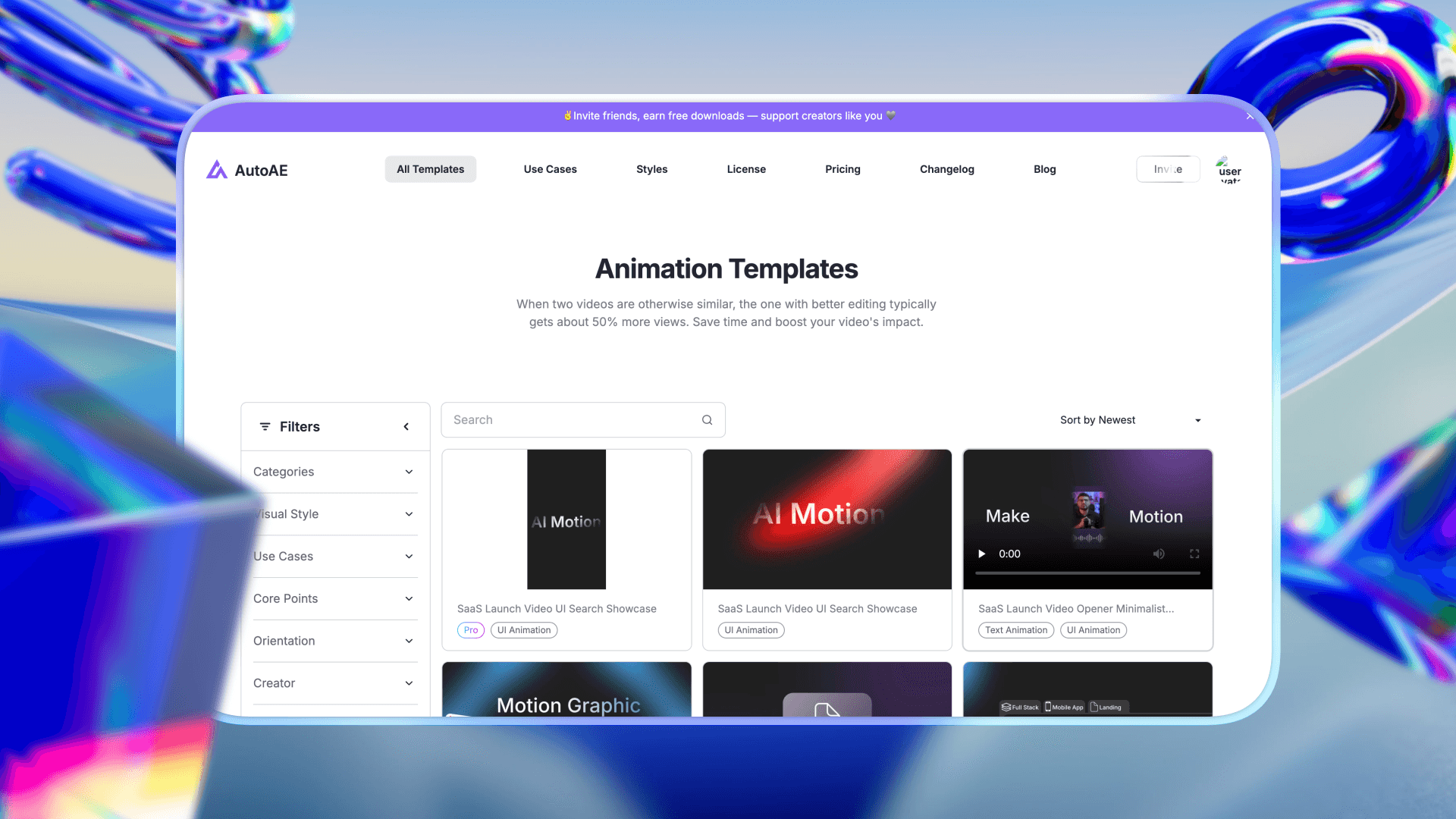
AutoAE is an online motion graphics platform designed to help creators generate high-quality animated video segments without learning After Effects. Unlike template-heavy platforms (Envato, Motion Array) or lightweight apps (CapCut, Canva Video), AutoAE provides professional-grade visual effects, fully online, stable, and reusable.
In 2026, AutoAE positions itself as the accessible, reliable, and production-ready alternative to Seedance 2.0 for daily content creators. Its focus is stability, time efficiency, and professional motion quality, rather than experimental AI or ecosystem-driven virality.
If Seedance 2.0 represents cutting-edge AI cinematic generation, AutoAE represents everyday content optimization for creators who want fast, high-quality motion without the technical overhead.
Key Features
-
Turn complex AE animations into ready-to-use online visual modules
-
One-click rendering: upload assets, select effect, render & download
-
Native audio-visual synchronization
-
Stable, repeatable, professional-grade motion effects
-
Web-based, no software installation needed
Pros
-
Saves hours of editing time (hours → minutes)
-
Lower technical barrier (no AE required)
-
Stable and reusable effects for consistent content
-
Suitable for YouTube, TikTok, Reels, and social campaigns
Cons
-
Less suited for highly experimental or cinematic AI-generated sequences
-
Limited long-form storytelling or multi-shot complex projects
-
Effects library still growing compared to large template marketplaces
Pricing
|
Plan
|
Price
|
Best for
|
|
Free
|
$0
|
Trying the platform or very small tests
|
|
Starter
|
$12 / month
|
Beginners or small projects
|
|
Creator
|
$39 / month
|
Regular content creators
|
|
Agency
|
$49.92 / month
|
Teams and agencies
|
|
Scale
|
$166.58 / month
|
High-volume or enterprise use
|
|
Single Video
|
$2.90 / video
|
Occasional one-off animations
|
Best For
-
YouTube, TikTok, Reels creators
-
Junior to mid-level editors or freelancers
-
Small teams wanting professional motion effects quickly
-
Content creators familiar with CapCut/PR but not AE
Not Ideal For
-
High-end cinematic projects requiring multi-shot continuity
-
Experimental AI-driven visuals with unstable outputs
-
Users seeking complex 3D or VFX pipelines
Kling(Kuaishou)
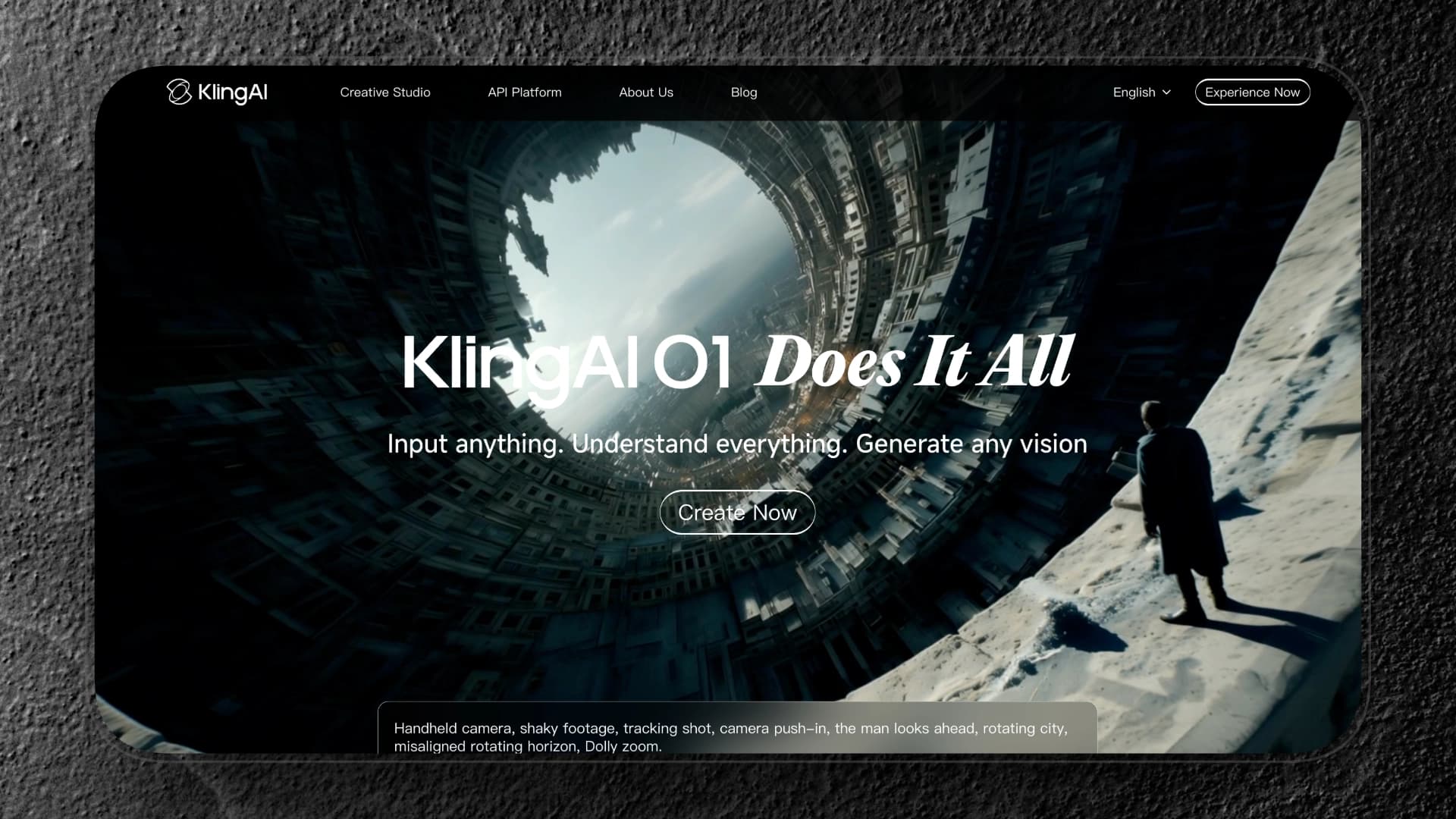
Developed by Kuaishou — one of the world’s largest short-video platforms — Kling AI emerged as a direct response to the new wave of cinematic AI video models.
Unlike research-heavy models built inside lab environments, Kling is born from a real short-form content battlefield. It prioritizes dynamic camera motion, longer clip duration, and high-action visual consistency — features that matter in feed-driven platforms where retention is everything.
In the 2026 AI video race, Kling positions itself as a motion-first competitor. Where Seedance 2.0 uses ByteDance’s ecosystem power, Kling focuses on pushing visual dynamism and creator-level accessibility. It’s less about ecosystem integration — more about raw generative momentum.
If Veo represents enterprise structure, Kling represents speed and spectacle.
Key Features
-
Native audio-visual synchronization
-
Cinematic physics and motion fidelity
-
High-efficiency short-form workflow
-
Optimized 5-second clip structure
Pros
-
Strong physical realism and lighting quality
-
5-second clips hit a practical sweet spot for ads and social
-
Solid prompt comprehension for branded or complex scenes
-
Paid plans offer watermark-free exports with full commercial rights
Cons
-
Queue times can slow during peak demand
-
Ecosystem still less mature than long-standing creative platforms like Runway
-
Not optimized for long-form cinematic storytelling
Pricing & Access
-
Free Plan – Limited daily generations, watermark included
-
Standard – $6.99/month (660 credits)
-
Pro – $25.99/month (3,000 credits)
-
Premier – $64.99/month (8,000 credits)
-
Ultra – $127.99/month (26,000 credits)
Commercial Use Policy
-
All paid tiers allow watermark-free exports
-
Full commercial usage rights granted to active paid subscribers
-
Free outputs remain watermarked and unsuitable for monetized publishing
Best For
-
Commercial advertising and branded social content
-
Creators prioritizing realistic lighting and motion
-
Short-form videos where visual credibility matters
Not Ideal For
-
Ultra-fast high-frequency Shorts automation
-
Highly abstract or experimental visual styles
-
Teams needing a deeply mature creator ecosystem
Community & Discussion:
🔗 Often shared within AI‑video creator groups; one active AI video community with credits and multiple model discussions: https://discord.gg/Psj6NsGG This server includes channels on Veo, Runway, Kling and more — great for social ads and short‑form motion ideas.
Runway – Gen 4.5
Runway has been a foundational player in generative video since the early days of AI creativity, and in 2026 it continues to lead with Gen-4.5 — the most mature, creator-centric AI video platform available today.
Unlike ecosystem-driven models such as Seedance 2.0 or distribution-native tools, Runway Gen-4.5 is built around creative control and workflow depth. It blends powerful text-to-video generation with industry-grade editing tools, smooth multi-shot continuity, and highly customizable visual styles — all inside a unified creative environment.
In the evolving AI video landscape, Runway stands as a production-ready alternative to Seedance 2.0, especially for teams and creators who value iterative refinement and toolchain integration over one-click automation.
If Seedance represents ecosystem acceleration, Runway represents creative orchestration.

Key Features
-
Advanced text-to-video and image-to-video generation
-
Strong cinematic continuity across multi-shot sequences
-
Extensive style and visual control tools
-
Built-in AI editing suite (inpainting, motion tools, scene expansion)
-
API and team collaboration features
Pros
-
Deep creative control for professional workflows
-
Mature creator ecosystem and support community
-
Integrated editing tools reduce reliance on external software
-
Strong consistency for narrative and branded storytelling
Cons
-
Pricing can scale rapidly with heavy usage
-
Not as tightly integrated with distribution ecosystems (e.g., TikTok, CapCut)
-
Steeper learning curve for beginners compared to one-click models
Pricing
-
Free Plan
-
Includes 125 one-time credits
-
Watermarked output
-
-
Standard – $12/month
-
Includes 625 credits
-
-
Pro – $28/month
-
Includes 2,250 credits
-
-
Unlimited – $76/month
-
Unlimited generations (subject to fair-use limits)
-
Best For
-
Filmmakers, studios, and agencies
-
Teams needing repeatable, brand-consistent workflows
-
Content designers who value visual refinement and editor-level control
-
Projects requiring robust multi-shot storytelling
Not Ideal For
-
Ultra-fast viral short-form content production
-
Beginners seeking one-click generation simplicity
-
Creators who prioritize built-in distribution channels
Pika Labs
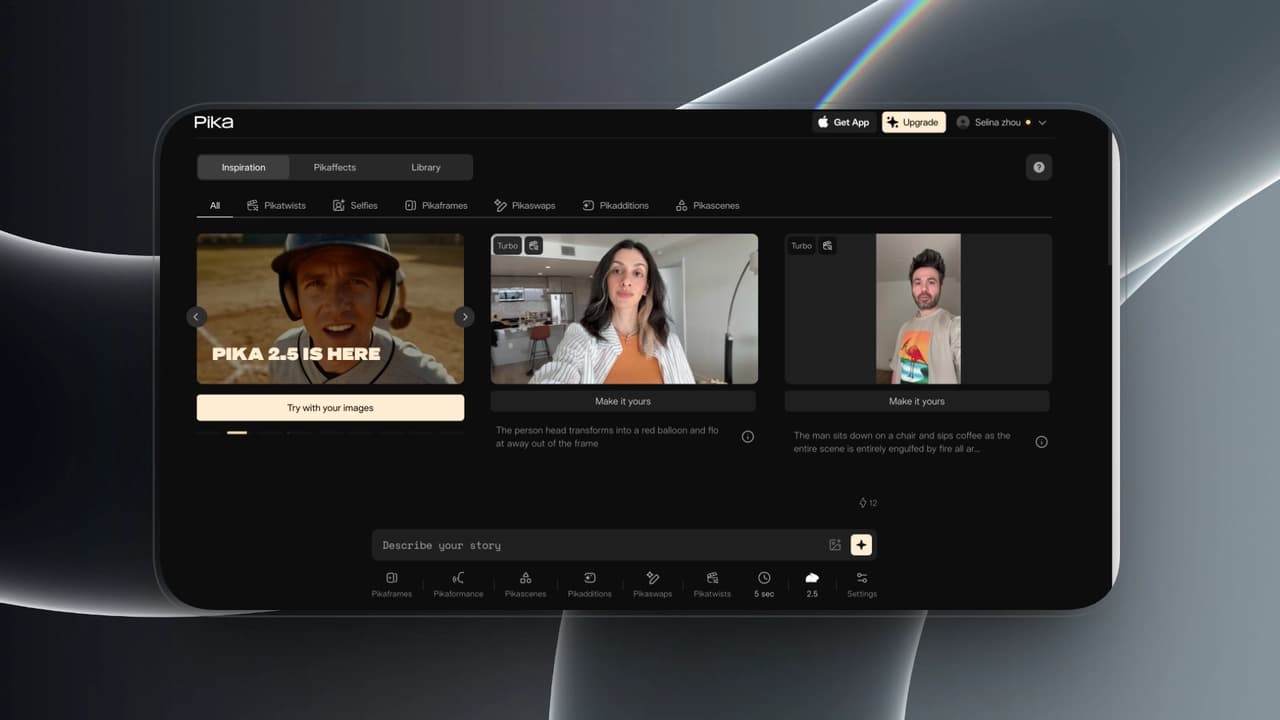
Pika Labs emerged early in the AI video boom and quickly became known for its accessibility and creator-friendly design. Unlike ecosystem giants like Seedance 2.0 or infrastructure-heavy platforms like Runway, Pika focuses on fast, intuitive short-form generation.
In 2026, Pika positions itself as a lightweight, commercially accessible alternative. It prioritizes simplicity, rapid iteration, and social-ready outputs — making it attractive for creators who want to test ideas quickly without navigating complex production workflows.
If Seedance represents ecosystem use and Runway represents professional control, Pika represents speed and approachability.
Key Features
-
Text-to-video and image-to-video generation
-
Short-form optimized clip output
-
Style presets and visual effects controls
-
Native audio integration for simple sync
-
Web-based generation with minimal setup
Pros
-
Beginner-friendly interface
-
Fast idea validation and iteration
-
Clear paid tiers with commercial rights
-
Suitable for hooks, ads, and short social clips
Cons
-
Limited long-form storytelling capabilities
-
Less cinematic depth compared to high-end models
-
Not designed for advanced multi-shot workflows
Pricing
-
Monthly plans
-
Standard: $10 / mo
-
pro: $28 / mo
-
fancy: $95 / mo
-
-
Annual plans: ~20% discount
Best For
-
Indie creators and solo marketers
-
Short-form social media hooks
-
Rapid experimentation and concept testing
-
Low-complexity branded content
Not Ideal For
-
Cinematic, multi-scene productions
-
High-end agency workflows
-
Teams requiring advanced motion or physics precision
Community & Discussion:
🔗 Official Pika Labs Discord: https://discord.com/invite/pika 📌 One of the largest active text‑to‑video AI communities; great for prompt sharing, sample generation, and beginner support
Stability AI – Stable Video
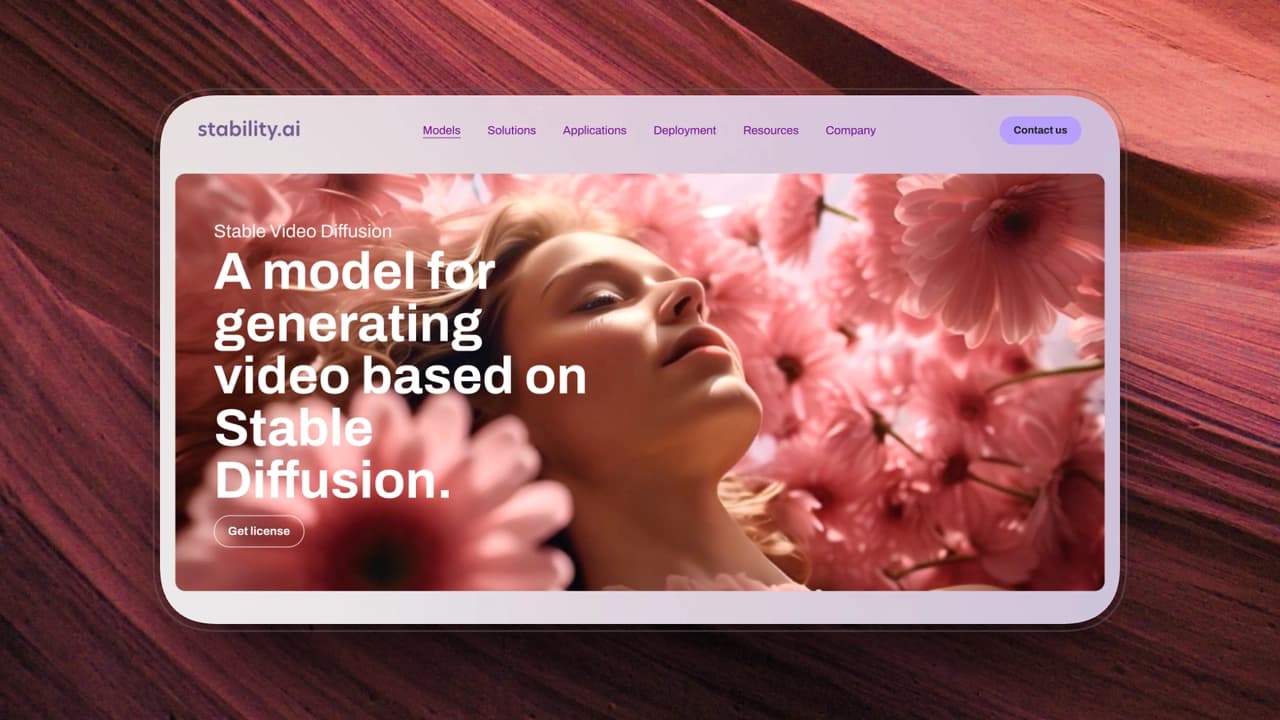
Stability AI is best known for driving open‑source generative models like Stable Diffusion, and in 2026 it has extended that philosophy to video with Stable Video — a highly customizable, developer‑friendly video generation platform.
Unlike closed, proprietary systems built around specific ecosystems (like Seedance’s TikTok/CapCut integration), Stable Video is rooted in open models and community‑driven development. It prioritizes flexibility, extensibility, and API integration, making it a strong alternative for teams that want full control over generation pipelines, custom fine‑tuning, and integration into bespoke software.
In the broader AI video landscape, Stable Video represents the open‑ecosystem, technically flexible alternative — ideal for developers, SaaS integrators, and creators who want to build custom workflows rather than rely on turnkey platforms.
If Seedance embodies ecosystem acceleration and Runway embodies creative workflow mastery, Stable Video embodies open production control.
Key Features
-
Open model and flexible API access
-
Customizable video generation pipelines
-
Integration support for developer workflows
-
Community‑driven extensions and model variants
Pros
-
Highly customizable and extensible
-
Developer‑friendly with strong API support
-
Robust open communities and ecosystem tooling
-
Great choice for SaaS or product integration
Cons
-
Requires technical setup and understanding
-
Not as plug‑and‑play as turnkey creator tools
-
Visual fidelity and motion consistency may vary by model and configuration
Pricing & Access
-
Free/Open Tier – Access to base models and community versions
-
API Credits/Usage‑Based Billing – Scale with usage
-
Enterprise Support and Dedicated Deployments – Custom pricing
(Exact pricing and availability may vary by region and platform integration.)
Best For
-
Developers building custom generative video pipelines
-
SaaS teams integrating video automation
-
Technical creators who want API‑level control
-
Experimentation with open models and fine‑tuning
Not Ideal For
-
Non‑technical creators seeking plug‑and‑play solutions
-
Rapid social content production with one‑click simplicity
-
Teams that prioritize tightly integrated distribution ecosystems
Conclusion
The 2026 AI video landscape offers options for every creator: from Seedance 2.0’s ecosystem-driven cinematic AI to Runway, Veo, Kling, Pika, Stable Video, and AutoAE, each tool serves a unique workflow.
While alternatives excel in speed, flexibility, or creative control, Seedance 2.0 remains the benchmark, with unmatched large-scale camera motion, cinematic continuity, and smooth integration with TikTok and CapCut.
Whether you prioritize viral reach, professional editing, rapid iteration, or open customization, Seedance 2.0 sets the pace — and the alternatives make it possible for all creators to thrive in this new era of AI video.
Tool Recommendations by Creator Type
|
User Type
|
Recommended Tools
|
Why
|
|
Shorts / TikTok
|
Seedance 2.0, Kling, Pika
|
Fast, social-ready clips; platform-native integration
|
|
YouTube Long-Form
|
Runway Gen‑4.5, Veo
|
Multi-shot continuity, narrative depth, cinematic control
|
|
Designers / Motion Artists
|
Runway Gen‑4.5, Stable Video
|
Full creative control, style flexibility, API customization
|
|
Small Teams / Individuals
|
Pika, AutoAE
|
Quick, stable, easy-to-use professional motion effects
|